
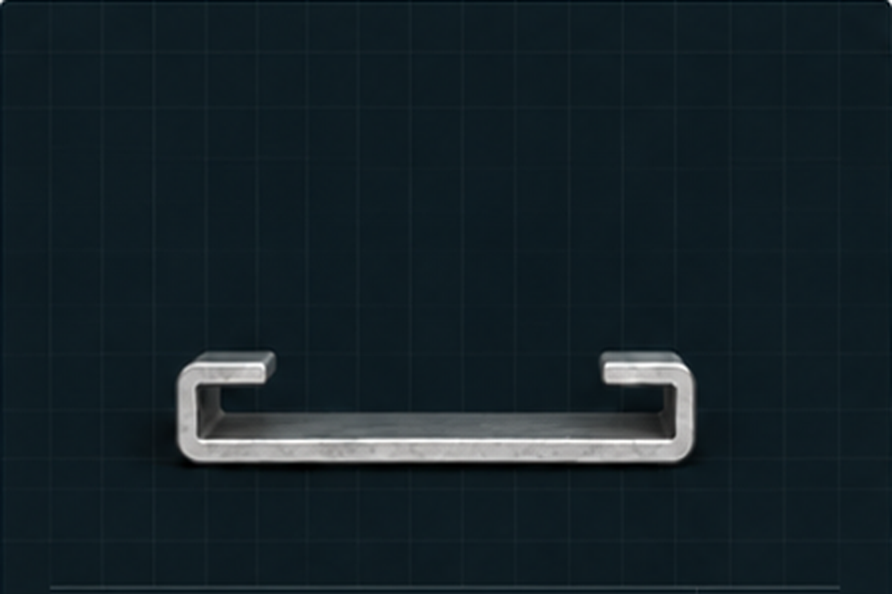
Weather stripMetal
Weather strip
Glazing and door channel with inturned lips that grip the rubber beading and shed water clear of the joint.
P&K Industries specializes in continuous cold roll forming of metal profiles. Our manufacturing process allows us to produce high-precision profiles in virtually unlimited lengths, making us the preferred partner for applications requiring consistency, strength, and dimensional accuracy.
Along with our standard range of C Sections, Gutters, Hat Sections, Weather Strip Supports, and Door Components, we manufacture customized roll-formed profiles exactly as per customer drawings and specifications. Our products serve the bus body, commercial vehicle, solar, and industrial sectors.
Our edge · Continuous roll forming
Because we cold roll form straight from the coil, length is never the limit. Your profile runs in one unbroken piece and is sheared to the exact dimension your job needs — the same true section from the first millimetre to the last.
One piece
The section runs unbroken for the full length — nothing spliced in the middle to work loose.
Made to size
Tell us the length; we shear each piece to it. Odd sizes and repeat batches, both fine.
Held true
Roll tooling keeps the cross-section identical down the whole run, for a consistent fit.
Profile range
Glazing and door channel with inturned lips that grip the rubber beading and shed water clear of the joint.
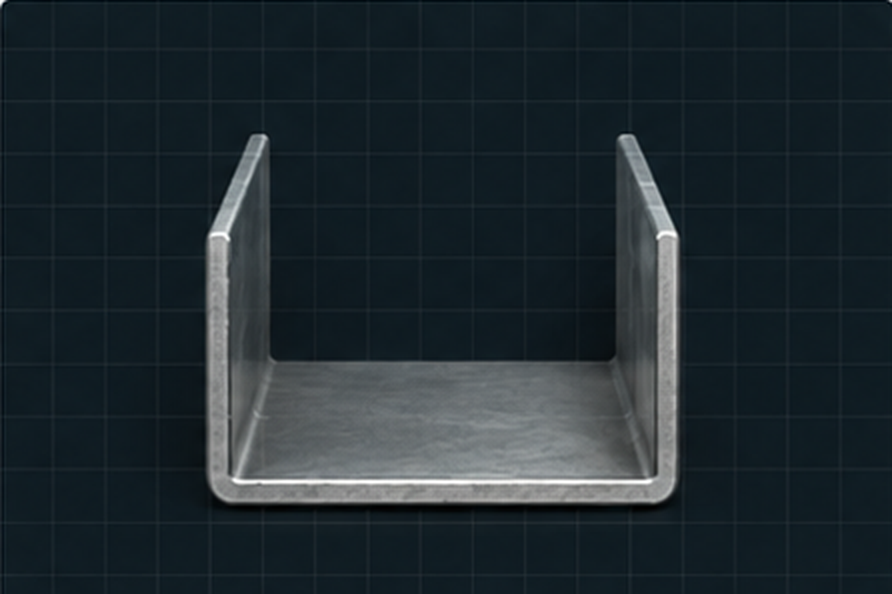
The workhorse channel, rolled to the depth and width on your drawing. Body framing, pillars, floor bearers — stiffness without the weight.
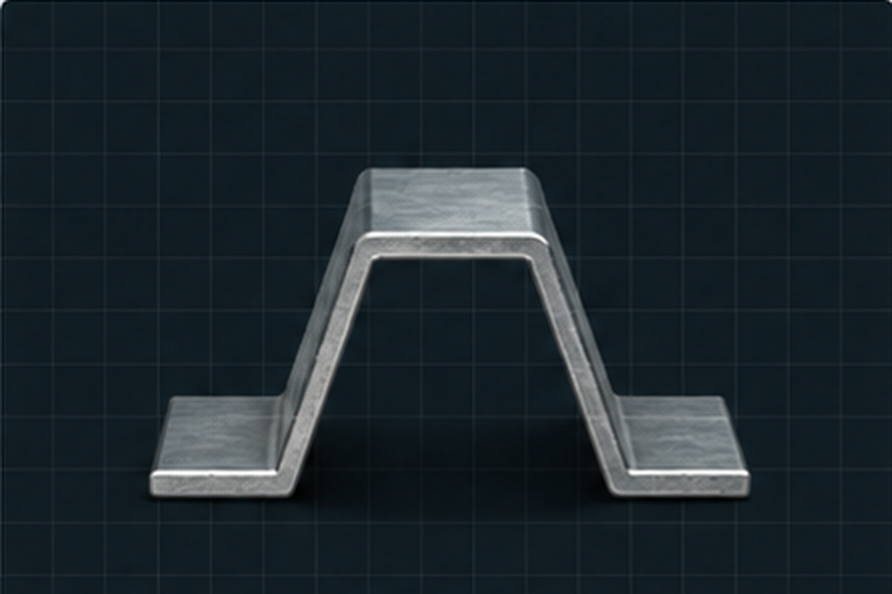
Flanges sit flat on the panel and rivet or spot-weld straight down. Roof sticks, cant rails, floor and side stiffeners.
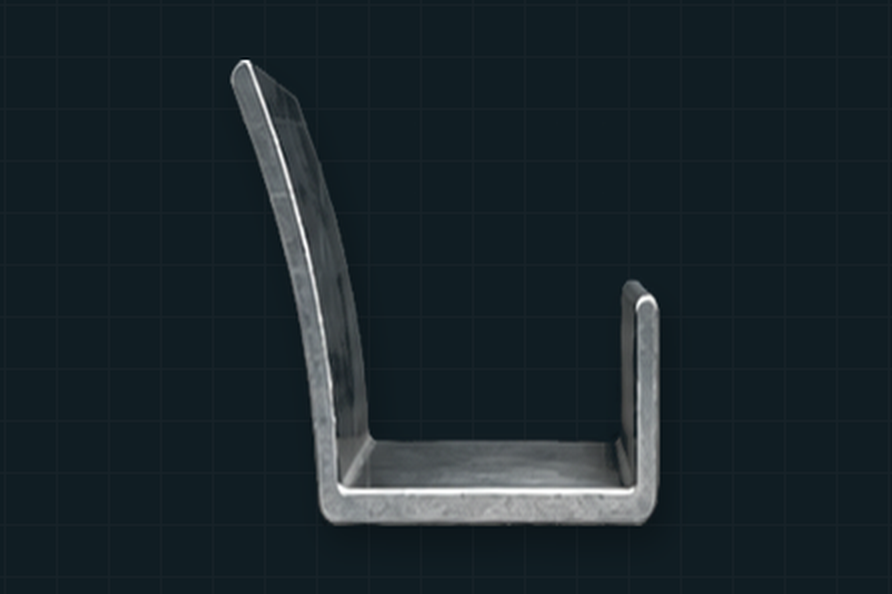
Roof drip rail with a return lip, so rain runs to the downpipe instead of down the window line and into the body.
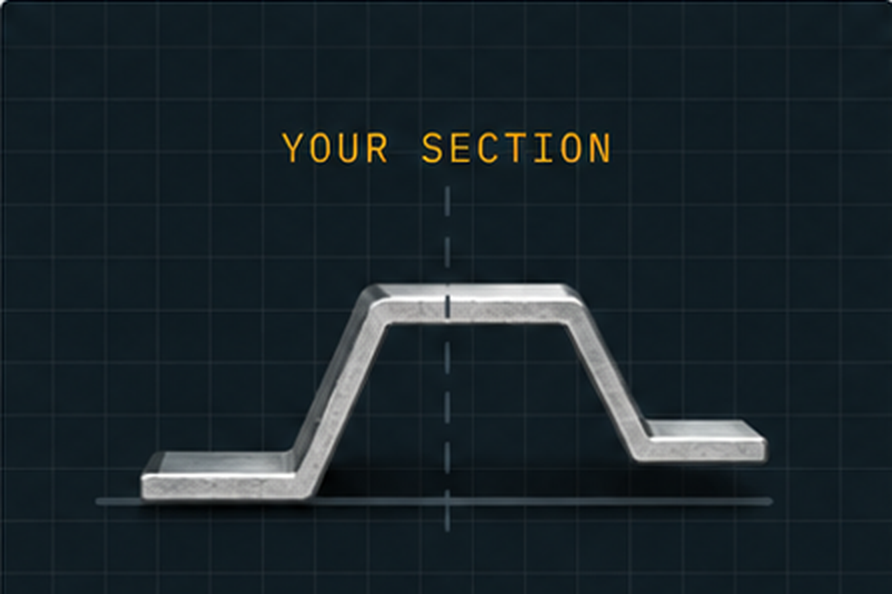
Send a DXF, a PDF or a sample of the old part. We make the tooling, cut the rolls and run a first-off for your approval.
Our clients
The vehicle makers and body builders we roll sections for, batch after batch.
 Tata
Tata
 Ashok Leyland
 Mahindra
 ACGL
ACGL
Next step
A drawing, a photo of the old part, or just the dimensions written down.
Sandip Kareker, Partner
Call +91 92708 87161